











First Aid and Emergencies in the Mountains: What Overlanders Should Know
In the mountains, help is often far away. If you are traveling off paved roads, you should be prepared—with equipment, knowledge, and a plan for emergencies. This article is not a substitute for a first aid course; refresh your knowledge regularly.
Emergency calls in Europe
The emergency number 112 works throughout the EU and in Switzerland. Note your position before the tour: coordinates from the map app are extremely helpful to rescue services. Without mobile phone service, satellite messengers can place an emergency call.
What belongs in the first aid kit
- Plasters, compresses, and pressure bandages
- Triangular bandage, fixation bandages, and tape
- Emergency blanket and disposable gloves
- Scissors, tweezers, and tick card
- Personal medications and sunscreen
Our first aid kits are color-coded by purpose, so you don't have to search in an emergency.
Typical problems at altitude
Altitude sickness
From about 2,500 meters, headaches, nausea, and sleep disturbances can occur. Ascend slowly, drink plenty of fluids, and stay at a lower altitude if you have symptoms.
Thunderstorms
Avoid exposed ridge areas, stay in the vehicle, and do not touch metal parts. The vehicle acts as a Faraday cage.
Hypothermia
Even in summer, it can be freezing at night at 2,000 meters. Keep dry, warm clothing and an emergency blanket close at hand.
Preparation is everything
- Share your route and return time with a trusted person.
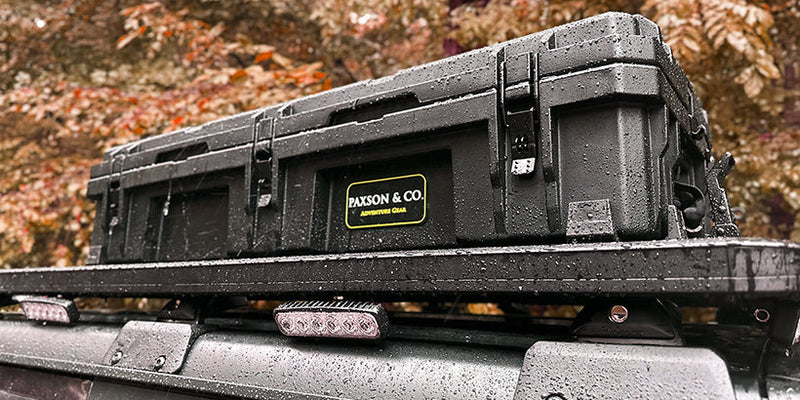
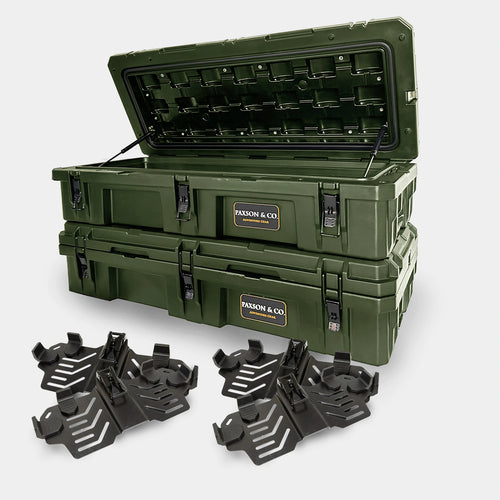
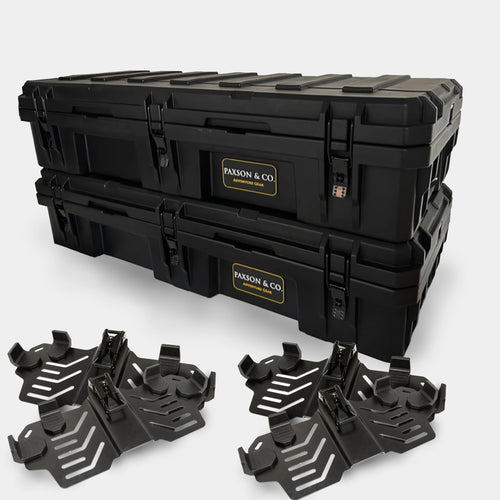
- Store the first aid kit visibly and within easy reach, not at the very bottom of the box.
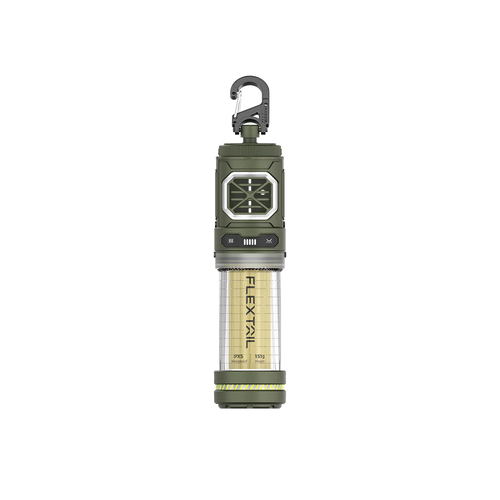
- A headlamp belongs in every emergency kit.