














Winter Overlanding in the Alps: Tires, Rules, and Equipment
Snow-covered passes, crisp air and empty roads: winter overlanding in the Alps is a special experience. But it requires more preparation than a summer trip.
Winter equipment is mandatory
In France, winter tires or carrying snow chains are mandatory in many mountain regions from November to March. In Italy, regions and road operators set their own periods, usually from mid-November to mid-April. Signs at access points show what applies – check the current rules before departure.
The right tires
All-terrain tires with the Alpine symbol (3PMSF) are the best compromise for many SUVs. Which models impress in the test is shown in our winter tire test for SUVs. You should try fitting snow chains in the right size before the trip.
Closed passes
Most high-altitude roads and gravel tracks are closed in winter and are not cleared. Winter overlanding therefore takes place mainly on open roads, in valleys and at designated campsites. Never drive around closed roads – avalanche risk.
Sleeping in the cold
- Sleeping bag with a comfort temperature well below 0 °C
- Sleeping mat with a high R-value, ideally two mats combined
- Auxiliary heater or well-ventilated vehicle – never heat with gas in a closed tent
Protect equipment
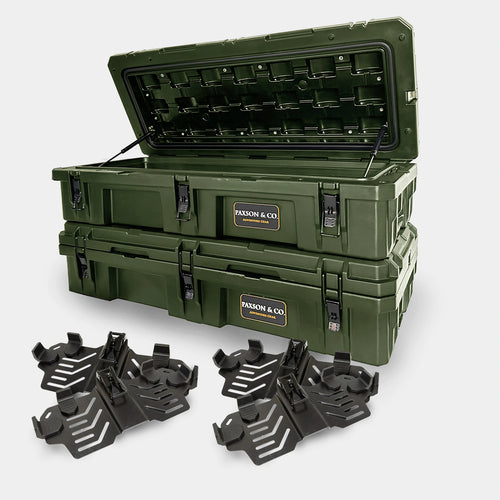
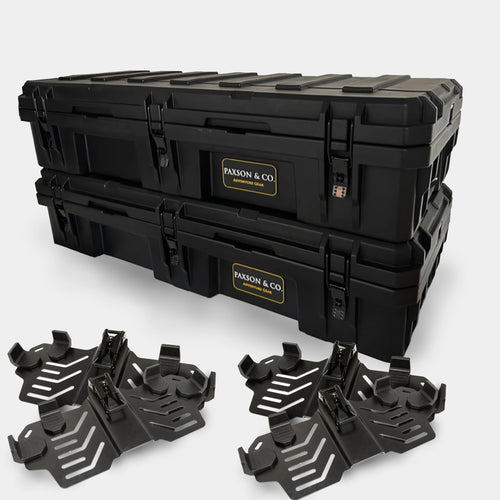
Snow, salt water and mud take a toll on the equipment. Waterproof off-road boxes keep the contents dry, and the seals also protect against road salt. A shovel and recovery boards help if the vehicle gets stuck in the snow.
Plan for short days
In winter it gets dark early. Plan short stages, start in daylight and reach your destination before dusk.


