




























Driving techniques on gravel passes: How to drive safely through the Alps
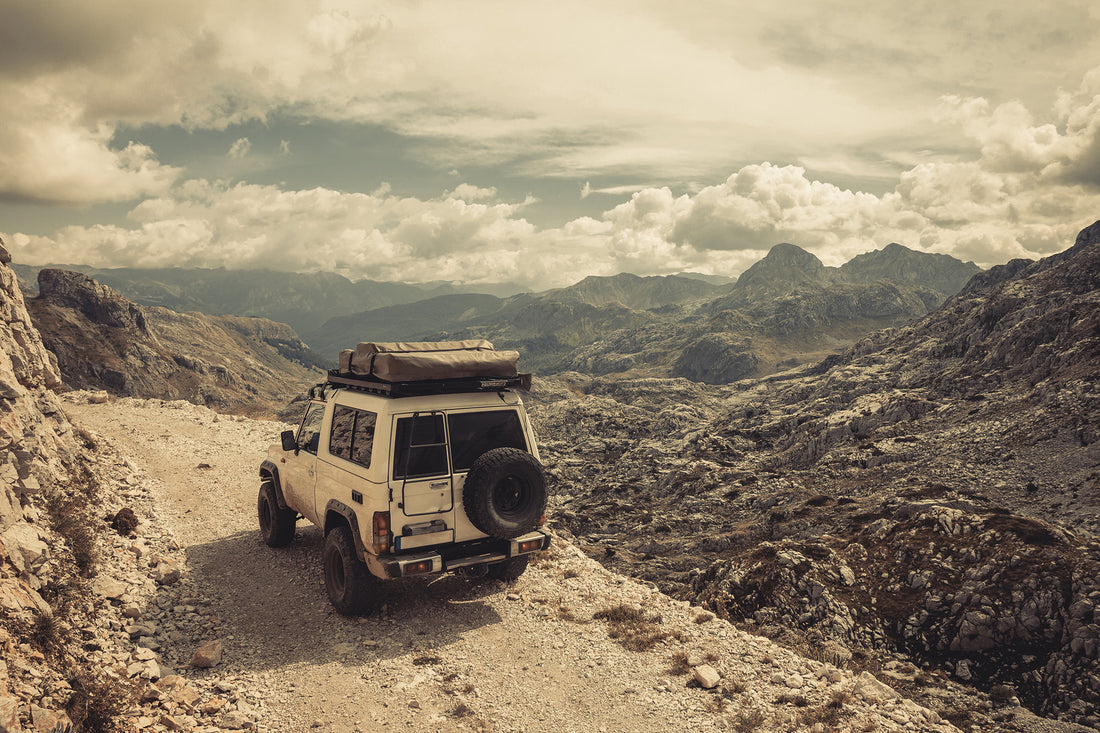
Alpine gravel tracks are rarely technically difficult, but they offer little forgiveness: loose stones, tight bends, steep descents, and oncoming traffic near the edge. These basic rules will help you ride safely and protect your equipment.
Going Uphill
Ride steadily and without rushing. Use a lower gear on steep sections to prevent the engine from over-revving and the wheels from spinning. Spinning wheels dig in and throw stones – it is better to accelerate slowly and carefully.
Going Downhill
Ride downhill in the same gear you would have chosen for going uphill, and use engine braking. Continuous braking will cause the brakes to overheat. If your vehicle has Hill Descent Control, it is a great help on steep, loose sections.
Bends
Take a wide approach before turning in and keep your speed low in the bend. For long vehicles or trailers, it is better to back up once than to risk the rear wheel going over the edge.
Oncoming Traffic
Those riding uphill generally have the right of way. Look for places to pull over early, and it is better to back up a few meters than to maneuver near the edge. A quick greeting is part of the etiquette.
Tyre Pressure
On rough gravel tracks, slightly reduced tyre pressure can improve comfort and grip and make the tyres less susceptible to punctures. Before riding downhill on asphalt, they are reinflated – for this, a compressor is essential on board.
Cargo
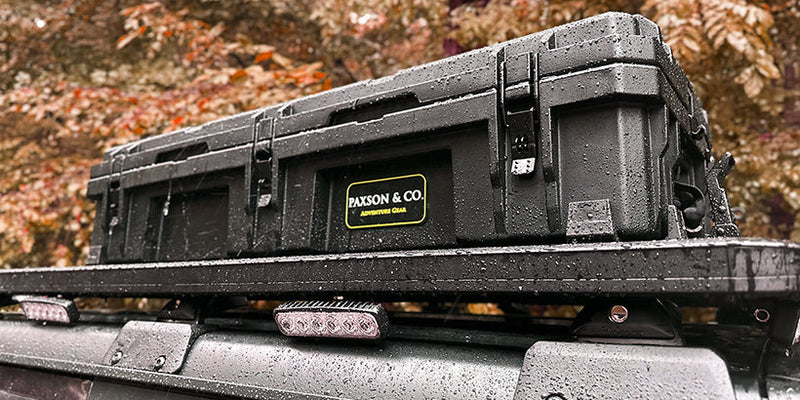
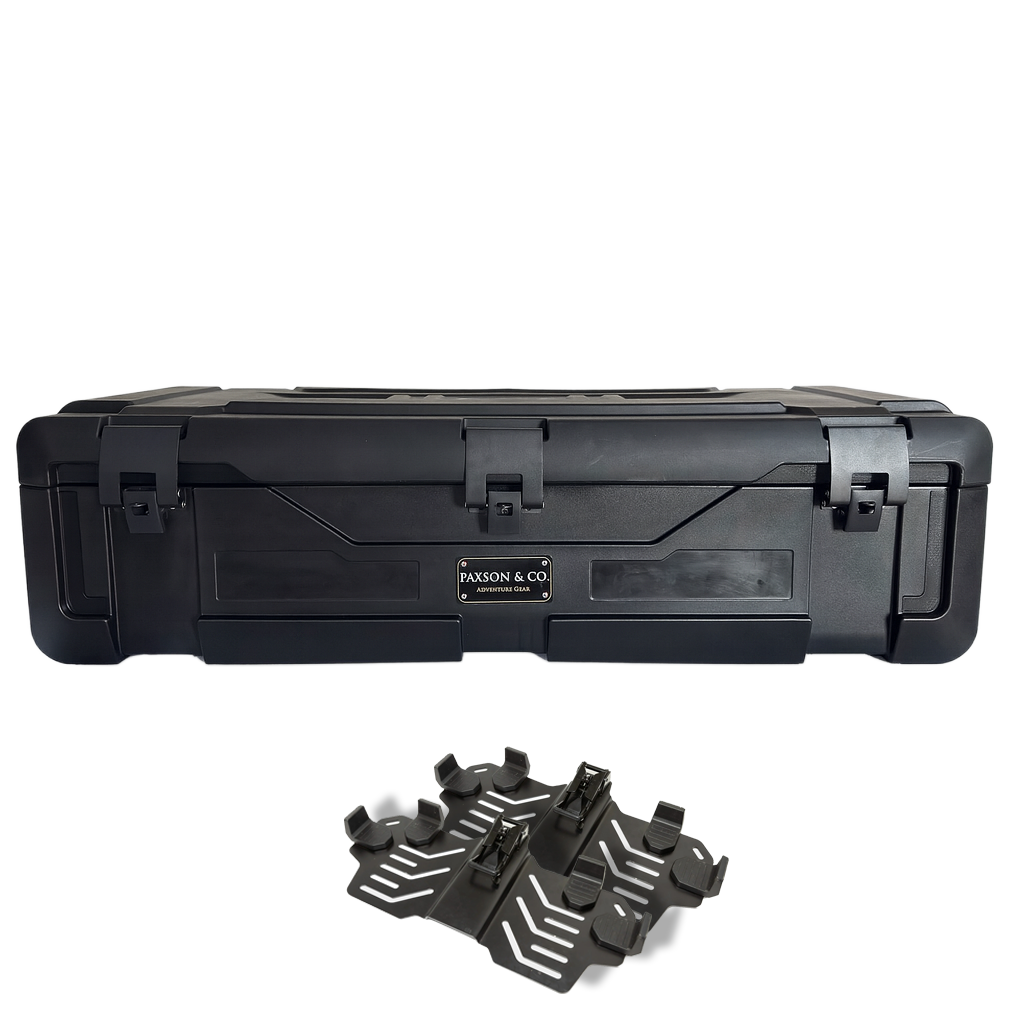
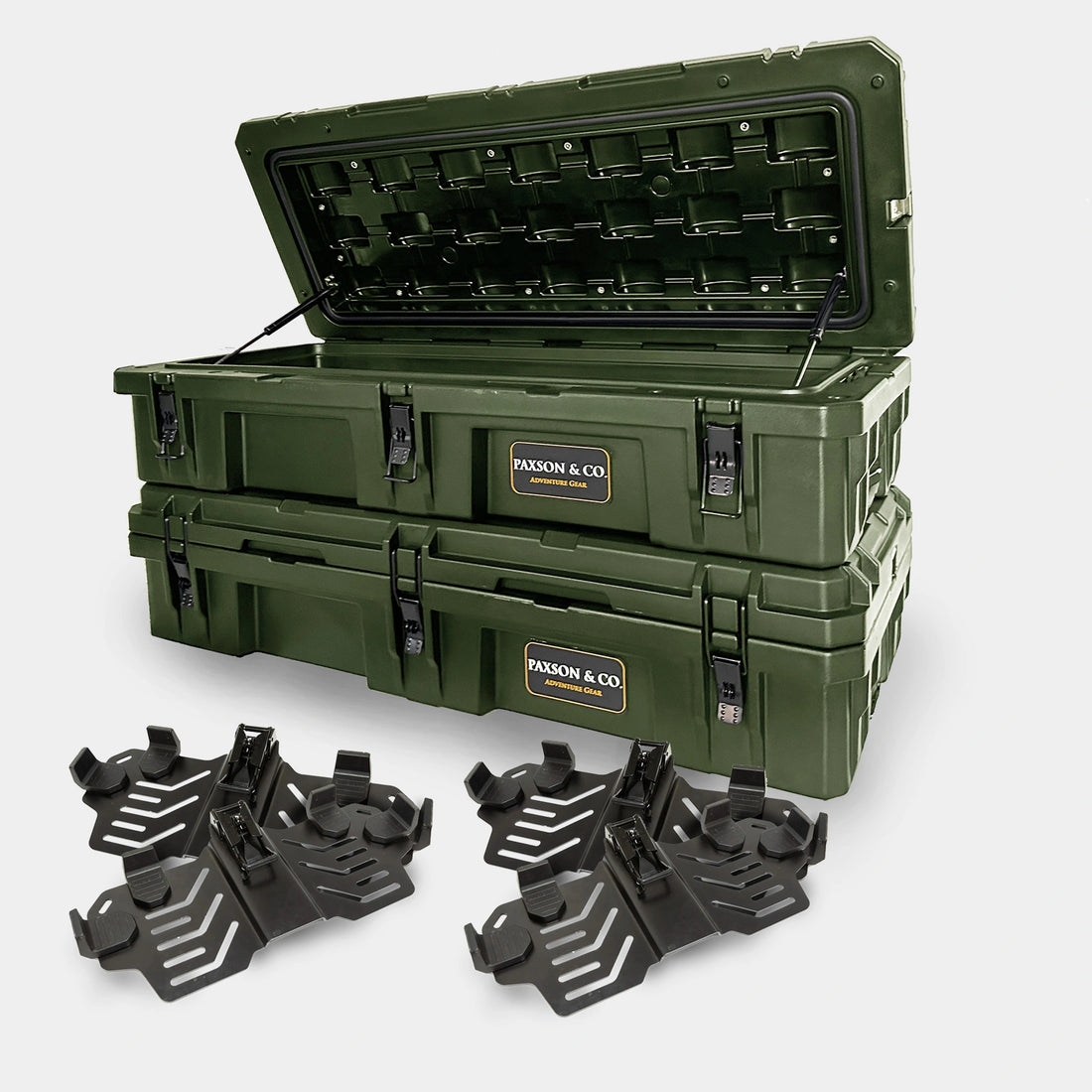
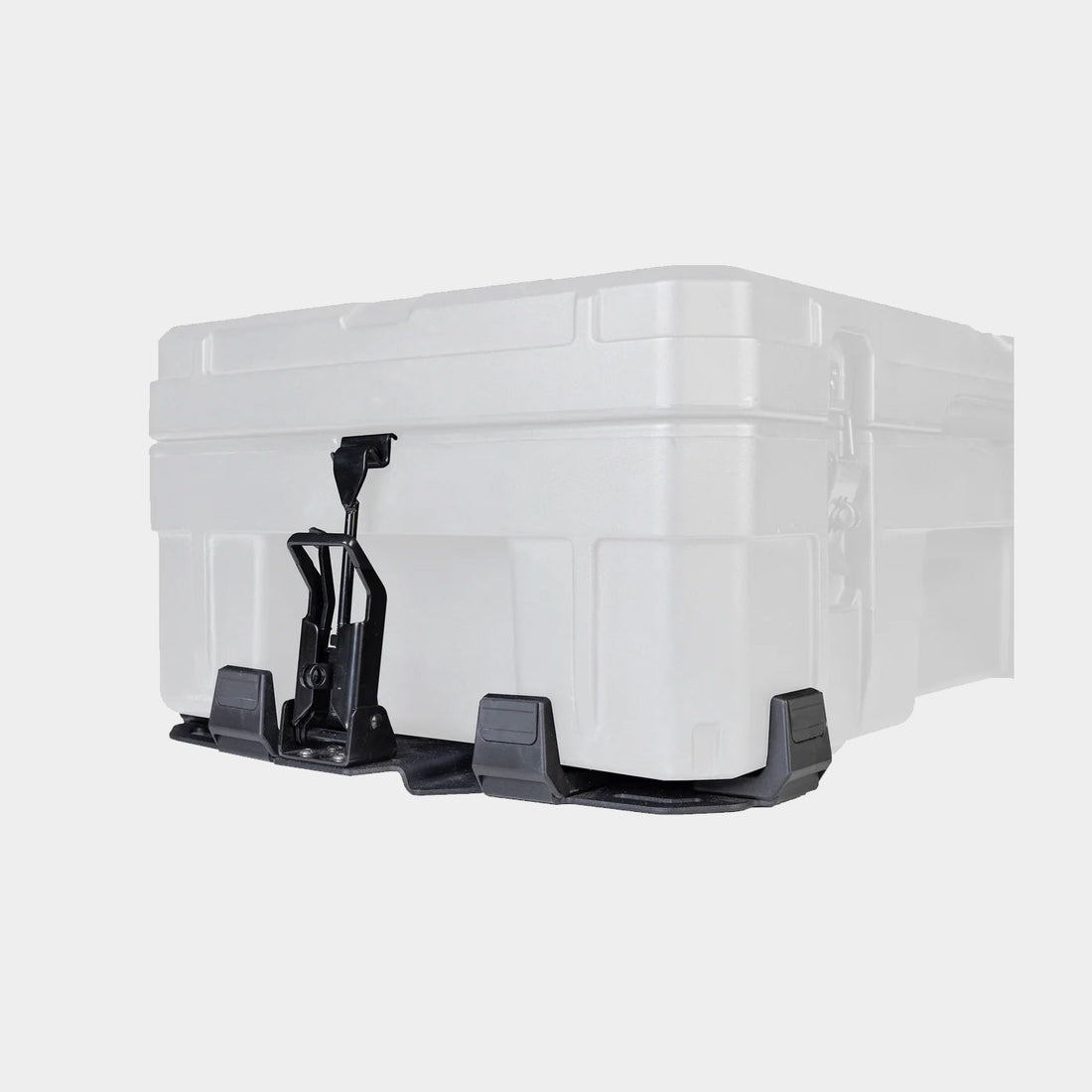
Loose items in the interior become projectiles on steep descents. Everything should be lashed down or stored in boxes. On the roof rack, Offroad Boxes with the Quick Release System are securely locked.
Technical terms such as low range or approach angle are explained in our Offroad & Camping Encyclopedia.